I’ll post some instructions shortly… but for now:
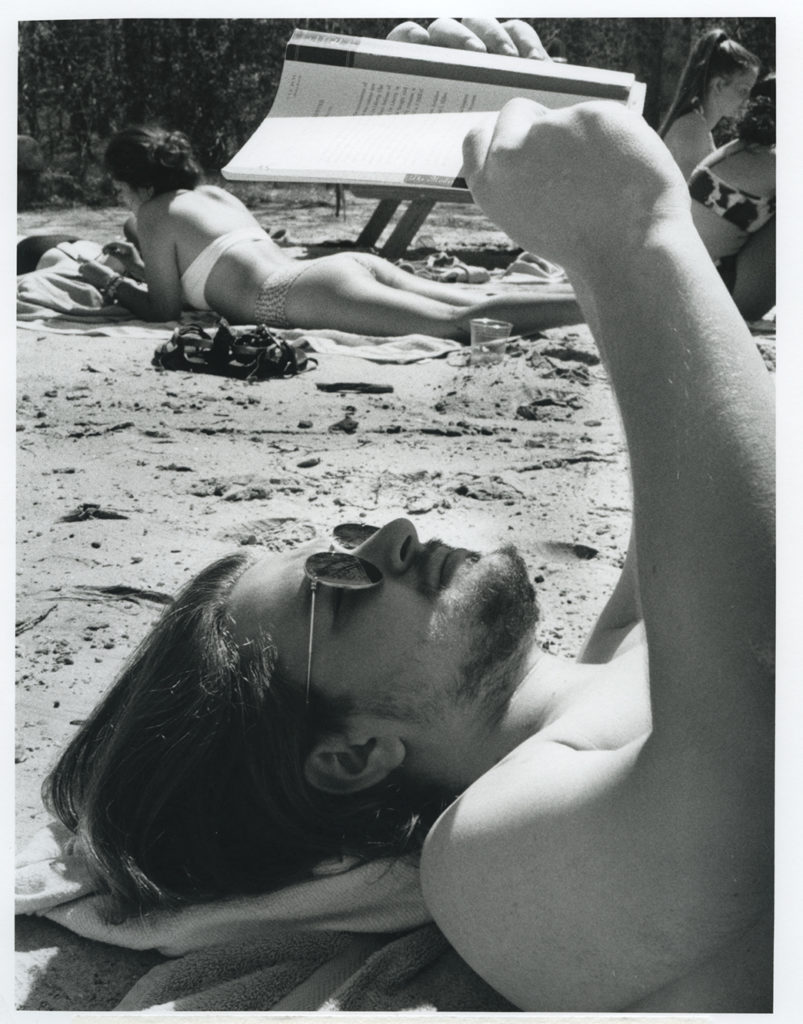

I’ll post some instructions shortly… but for now:
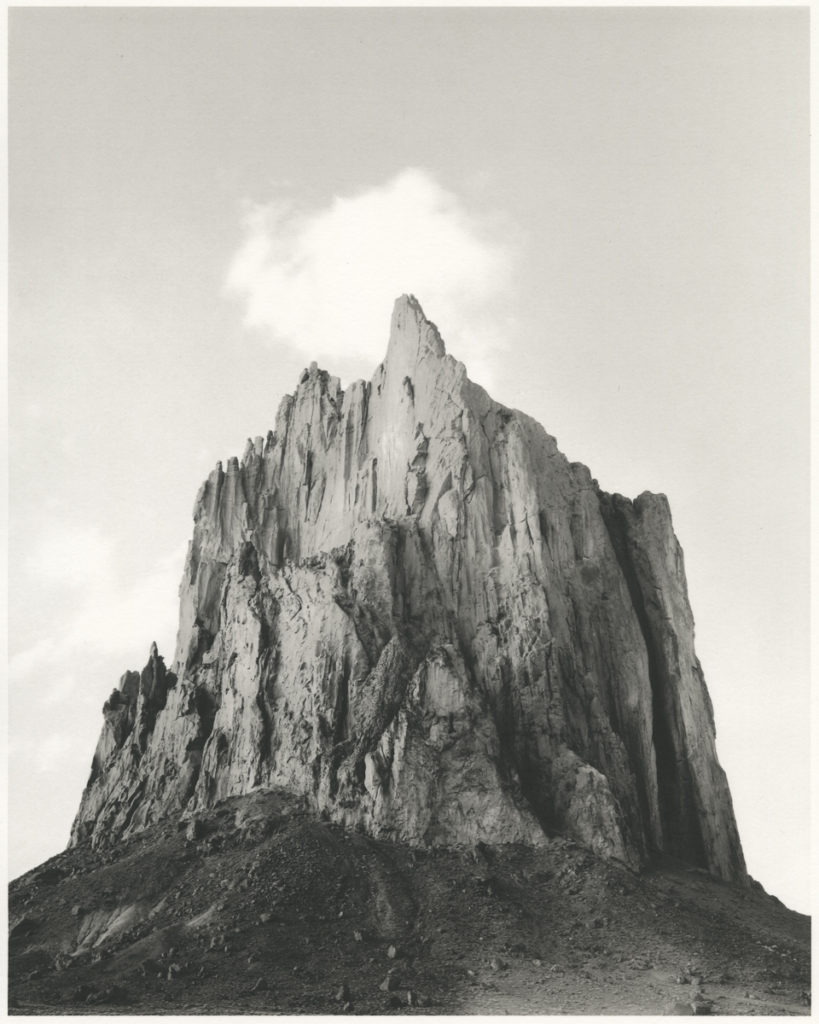
Ship Rock, New Mexico. 1993. Platinum-palladium print, 350 x 278 mm
The ART 103 syllabus and schedule is now live. Please note that it is still being amended and updated. Links to readings, lectures and instructional videos will go live about a week before they are due. All of these are password protected, and students should look for codes in their email – these will be sent out on the morning of Friday, January 29.
I am looking forward to sharing a completely new syllabus with the class.
The Course Schedule has been updated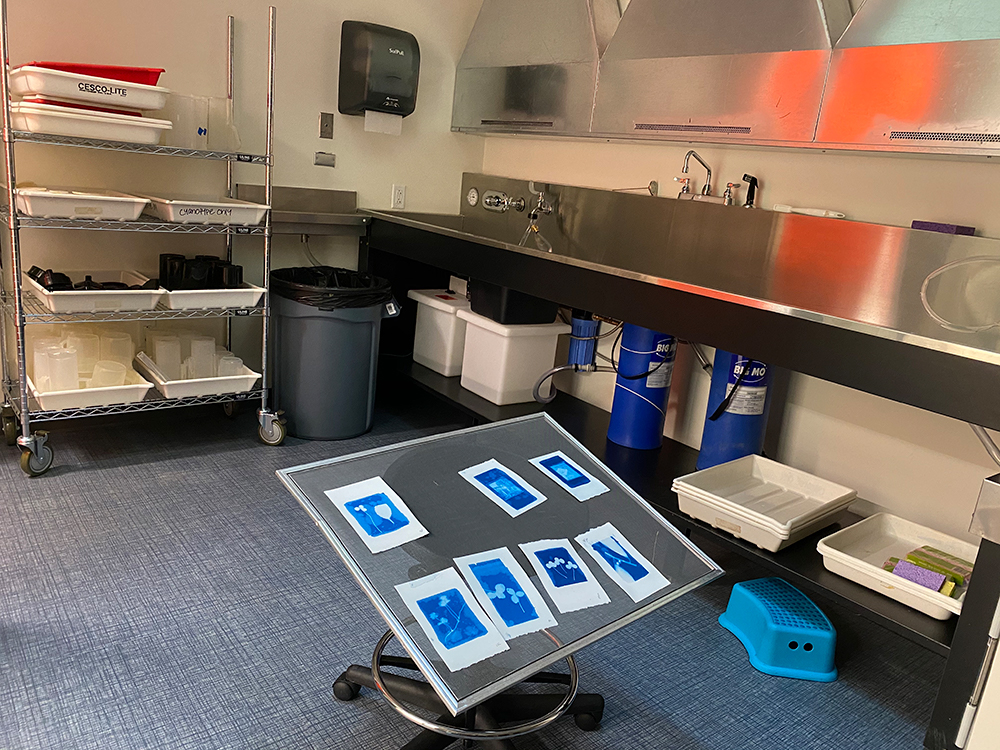
Thanks for class this Tuesday… it was a landmark moment, because we made the first photographic prints ever in this new space. We are going to have to find a way of commemorating this moment in a permanent way.
Speaking of which, we learned to make “Cyanotypes” — one of the oldest photographic process, and also among the most enduring. Lovely, that we now have all the necessary skills to photograph and work from anywhere, with traditional film and hand-coated photographic paper.
I have left a packet of paper for each of you in the small table just as you enter Wiggins 120. It is an envelope with a “Revere Platinum” label. I will also bring more glass coating rods and leave them in the same location by 1:30 tomorrow.
Please continue to expose and process film in your dorms, and also make cyanotype prints from your home spaces. My intention is to have established sufficient familiarity with these processes so that, if needed, we can continue to work remotely. If we all get through these initial steps from dorm spaces, then we can begin to work in earnest in the Wiggins darkroom from next class.
Next class, I would like all of you who are on campus and can be present, to attend class at 1:30, and plan to remain for the duration. We will gather under the big white tent (“Tentacle”), or if that is occupied, then split into three groups across rooms 111, 120 and 122. Please come to class with your complete course kit/box (yes, bring the box too), and all processed negative and prints made thus far.
Please read this instruction set about making cyanotypes NB: I have already done the “PREPARATION OF THE SENSITIZER” for you.
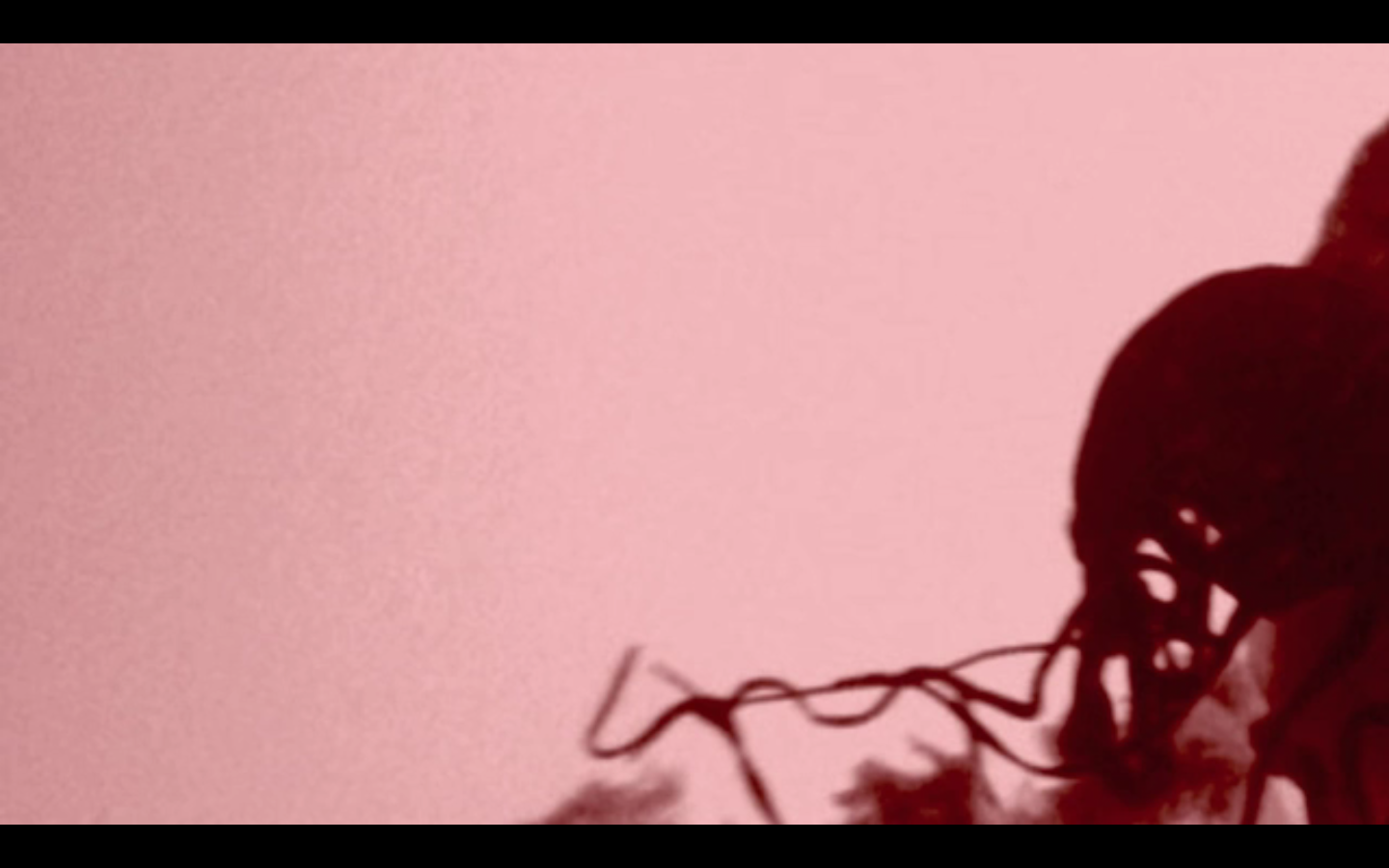 Still from ‘Momentary‘, by Emily Duncan.
Section C of this semester-long project is now viewable on various Vimeo sites. The project is portioned into three sections, each of which requires a slightly different way of rendering the project. Students are asked to examine the notion that just as place is a specification of space, so is the individual (or self) a specification of community.
With section C, using visual material generated by the Holga camera during this semester, students have produced a 1 to 2-minute projection. The piece has a soundtrack, and will, in non-web presentations, utilize two projectors casting images on opposing walls.
Students were asked to consider the nature of their connectedness: metaphoric, symbolic, narrative, formal. Read more…
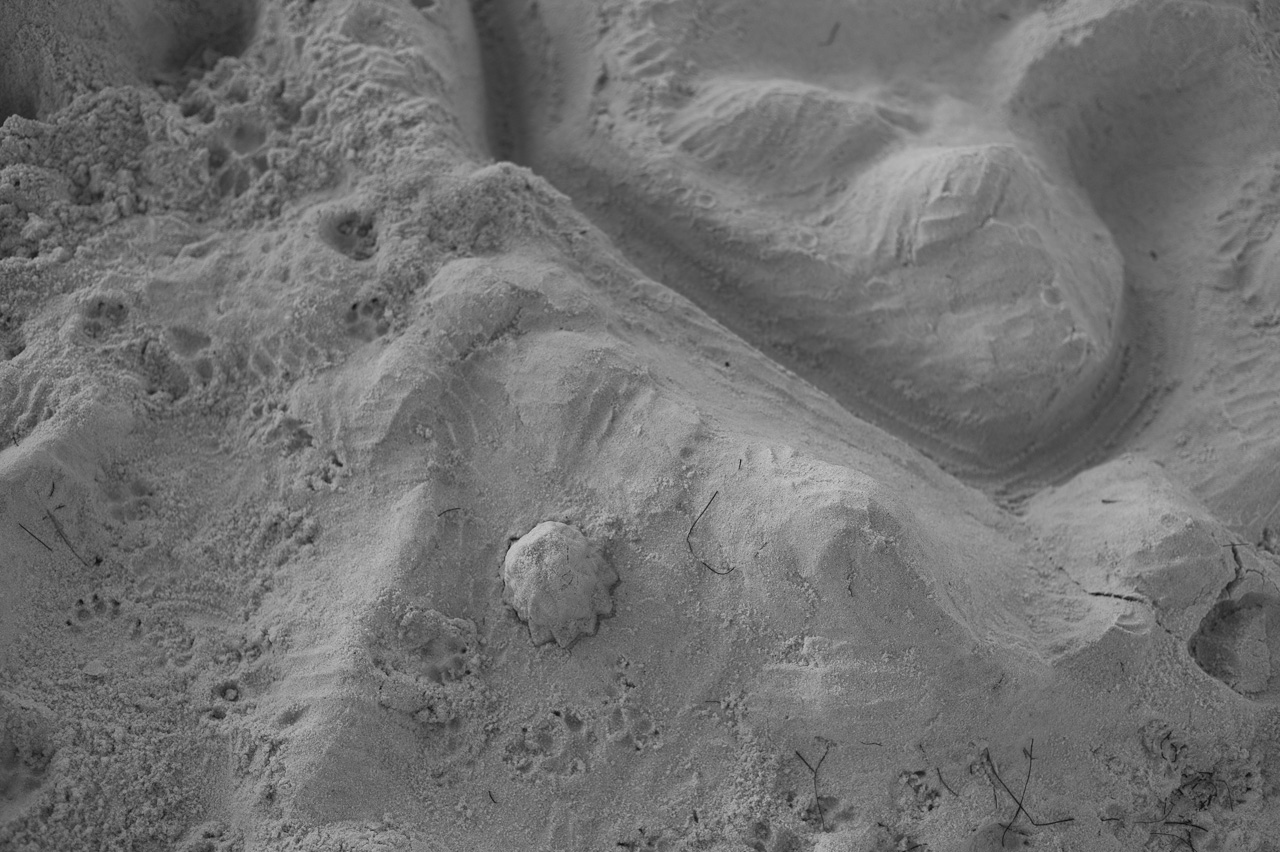 Prof. Costa Bradatan writes about the ‘Wall in the Head’:
“In a world of uncertainty and confusion, a wall is something to rely on; something standing right there, in front of you — massive, firm, reassuring. With walls come mental comfort, tranquility and even a vague promise of happiness. Their sheer presence is a guarantee that, after all, there is order and discipline in the world. A wall signifies the victory of geometrical reason over anarchic impulses. What can be greater than a straight line that crosses deserts, forests, swift rivers, unruly cities and ungovernable provinces? A straight line is not only the shortest distance between two points, but also the cheapest way to build a wall. Walls are geometry put into humanity’s service.”
The GreenHouse will be hosting its annual event, Armentrout, on Friday, November 18. Music and poetry will be performed, but we are also hoping to display some visual art! Would you please let any of your classes/students know about the opportunity for their work to be viewed during this time?
Any interested students or professors can contact me with titles/descriptions of the pieces and information about how to display the art.
Thank you!
—
Joanna Parkman
Green Campus Intern
Project Coordinator
Sewanee: The University of the South
Consider this – Cindy Gallop talks about the internet, privacy, if we ran the world and making love not porn.
At the core of her thinking is what we are trying to address in Art 103 too: becoming clear about who we are, as individuals, as a community, as a culture, and along with the process of clarifying, being able to act on what we wish to become.
Check out Gallop’s short talk on BBC’s program series called Four Thought.
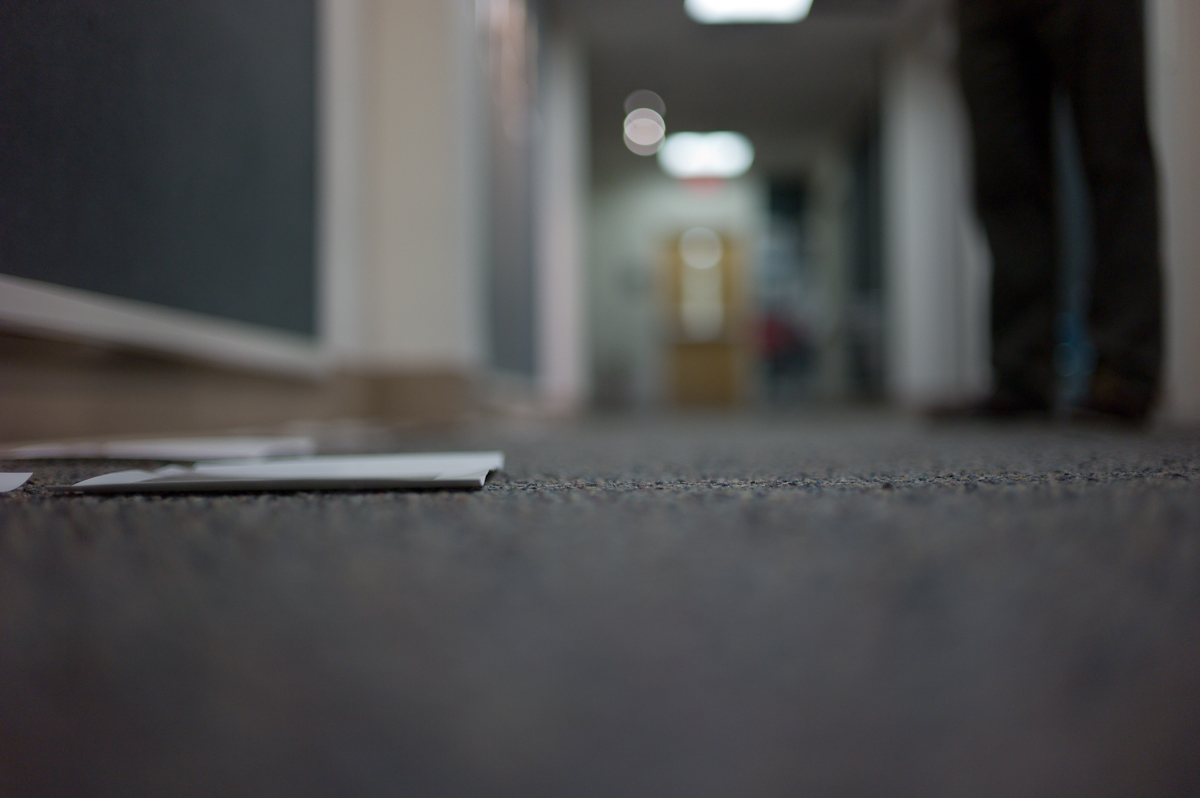
This pair of images demonstrates the effect of aperture (f) on the slice of space that is actually in focus just in front of and slightly beyond the point of focus – or what is properly referred to as the ‘depth-of-field’. In this example, the lens was focused on the forward edge of the piece of paper. The only setting that changed from one frame to the next was the exposure. As the aperture was reduced from f/1.4 to f/4.0, the depth-of-field increased dramatically. Note that the shutter speed had to change in order to render the same exposure to both frames.

[image from eicolab]
Please note that the deadlines for Section A have been extended by one week – please see the Schedule.
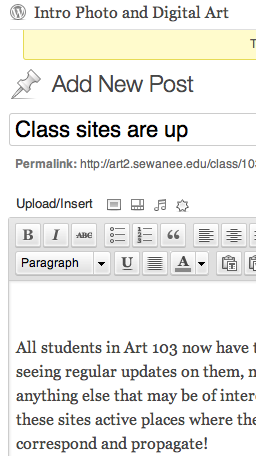
Students in Art 103 now have their own class web sites, and we all look forward to seeing regular updates, not only of course work but also with posts about anything else that may be of interest to each ‘web author’. Thanks to all the 103 students for making these sites active places where their academic and extra-curricular interests begin to correspond and propagate!